

Exploring the Benefits of Abacus Learning Methods

Learning math can sometimes feel like a challenge for children. But what if there was a fun, hands-on way to make numbers come alive? That’s where abacus learning methods shine. Using an abacus, children can develop strong math skills while also boosting their brainpower. I want to share with you why abacus learning is such a valuable tool and how it can make a real difference in a child’s education.
What Are Abacus Learning Methods?
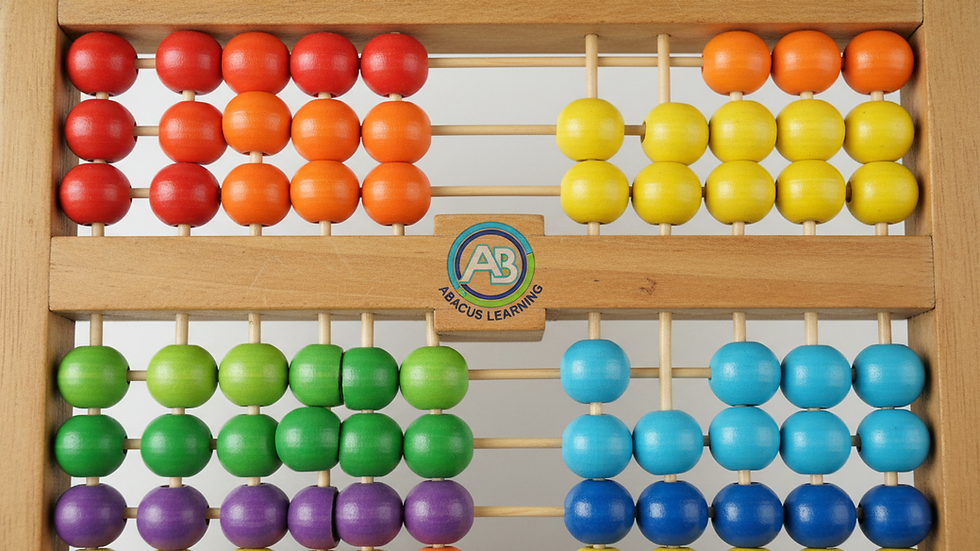
Abacus learning methods involve teaching children how to use the abacus, a simple counting tool made of beads on rods. This ancient device helps kids understand numbers visually and physically. Instead of just memorising math facts, children move beads to perform calculations. This hands-on approach makes math more concrete and easier to grasp.
There are different ways to teach abacus skills, but most methods focus on:
Basic bead movements to represent numbers
Addition and subtraction using bead manipulation
Multiplication and division through advanced bead patterns
Mental calculation by visualising the abacus in the mind
These methods encourage children to think actively and develop a strong number sense. They learn to solve problems step-by-step, which builds confidence and independence in math.
How Abacus Learning Methods Boost Brain Development
Using an abacus is not just about math. It also helps children develop important brain skills. When kids move beads and calculate, they engage both sides of the brain. This balanced brain activity improves concentration, memory, and problem-solving abilities.
Here are some key benefits of abacus learning for brain development:
Improved concentration: Focusing on bead movements requires attention, which helps children stay focused longer.
Enhanced memory: Remembering bead positions and calculation steps strengthens short-term and long-term memory.
Better hand-eye coordination: Moving beads precisely improves fine motor skills.
Faster mental calculation: With practice, children can imagine the abacus in their mind and solve problems quickly without the physical tool.
These skills are useful beyond math. They help children in reading, writing, and other subjects too. Plus, the confidence gained from mastering abacus calculations encourages a positive attitude toward learning.
Why Did We Stop Using the Abacus?
You might wonder why the abacus isn’t as common today as it once was. The rise of calculators and digital devices made many people think the abacus was outdated. Schools started focusing more on electronic tools, and the abacus seemed old-fashioned.
However, this shift overlooked the unique benefits of abacus learning. Calculators give answers but don’t teach how to think through problems. The abacus, on the other hand, builds a strong foundation in math concepts and mental skills.
Thankfully, there is a growing movement to bring abacus learning back. Many educators and parents now see its value in helping children develop deep understanding and mental agility. Institutes like anabacus are leading the way by offering structured abacus training that combines tradition with modern teaching methods.

Practical Tips for Starting Abacus Learning at Home
If you want to introduce abacus learning to a child, you don’t need to be an expert. Here are some simple steps to get started:
Get a basic abacus: Choose a child-friendly abacus with colorful beads and sturdy rods.
Learn the basics together: Start by showing how each bead represents a number. Practice counting beads aloud.
Use games and challenges: Turn learning into fun activities like timed bead counting or simple addition problems.
Practice regularly: Short daily sessions (10-15 minutes) work better than long, infrequent ones.
Encourage mental visualisation: Once comfortable, ask the child to imagine the abacus and solve problems without the physical tool.
You can also find online tutorials and local classes that teach abacus methods. Joining a community helps keep motivation high and provides expert guidance.
How Abacus Learning Supports Lifelong Skills
Abacus learning is more than just a math tool. It helps children develop skills that last a lifetime. Here’s how:
Discipline and patience: Learning abacus requires practice and focus, teaching children to be patient and disciplined.
Confidence in problem-solving: Mastering calculations boosts self-esteem and encourages a can-do attitude.
Creativity and logical thinking: Visualising numbers and patterns sparks creative thinking and logic.
Better academic performance: Strong math skills support success in science, technology, and everyday life.
By nurturing these qualities, abacus learning helps children become well-rounded individuals ready to face future challenges.
I hope this exploration of abacus learning methods inspires you to consider this wonderful tool for developing math skills and brainpower. Whether you are a parent, a child, or someone interested in teaching abacus, the benefits are clear and rewarding. With simple steps and consistent practice, abacus learning can open doors to a brighter, more confident future.


Comments